
Lockable Access Panel Key Electrical Cupboard Security 2026

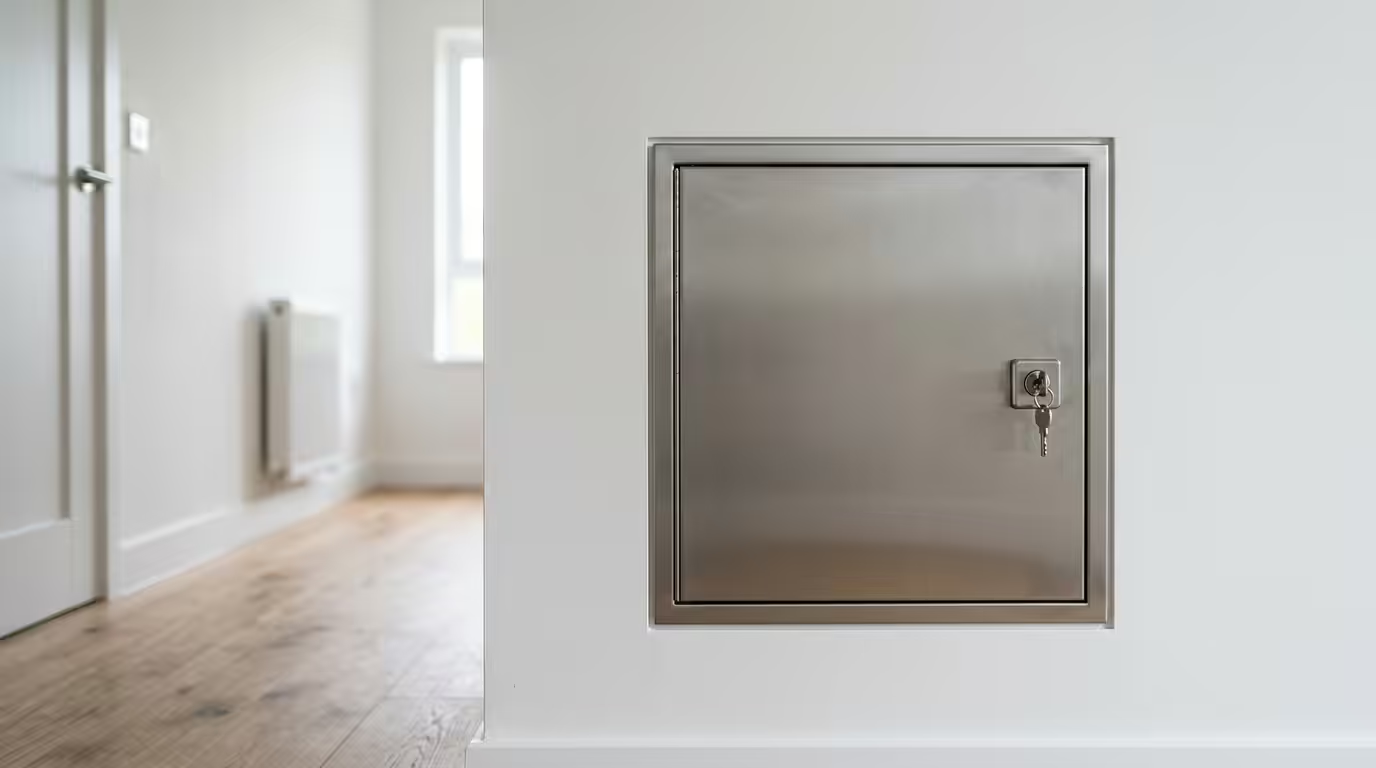
Lockable Access Panel Key Electrical Cupboard Security: Professional Standards and Installation Guide
Lockable access panels for electrical cupboards provide essential security for sensitive electrical installations while maintaining compliance with Building Regulations Part P and BS 7909 standards. With electrical theft costing UK businesses over £47 million annually according to Electrical Contractors’ Association data, secure access control systems have become critical infrastructure protection. This comprehensive guide examines professional-grade locking mechanisms, key management protocols, and installation specifications that meet current regulatory requirements while delivering robust security performance for commercial and residential electrical installations.
Understanding Electrical Cupboard Security Requirements
Electrical cupboard security operates under strict regulatory frameworks that balance accessibility for authorised personnel with protection against unauthorised access. The fundamental requirement stems from BS 7909, which mandates secure enclosure of electrical distribution equipment in publicly accessible areas.
Regulatory Framework and Compliance Standards
Building Regulations Part P requires electrical installations to be reasonably protected from damage and unauthorised interference. This translates to specific security measures for distribution boards, meter cupboards, and switch rooms. The Health and Safety Executive guidance HSG85 reinforces these requirements, particularly in commercial environments where electrical systems pose significant risks.
NHBC Standards Chapter 8.2 specifies that electrical meter cupboards in new builds must incorporate lockable access panels with weather-resistant mechanisms. The standard requires cylinder locks meeting BS EN 12209 Grade 4 specifications, providing 100,000 operational cycles and 10-year corrosion resistance in external applications.
Risk Assessment and Security Levels
Professional security assessments classify electrical cupboard risks across three primary categories: theft prevention, safety compliance, and operational continuity. High-risk installations include utility substations, commercial meter rooms, and communal electrical supplies serving multiple dwellings.
Security level classification determines appropriate locking mechanisms:
- Level 1: Basic cam locks for internal residential panels
- Level 2: Euro cylinder locks for external meter cupboards
- Level 3: High-security locks with restricted key systems for commercial installations
Professional Locking Systems and Key Management
Modern lockable access panels utilise sophisticated locking mechanisms designed specifically for electrical applications. These systems must withstand environmental conditions while providing reliable long-term operation and appropriate security levels.
Lock Types and Specifications
Euro cylinder locks represent the industry standard for electrical cupboard security, offering superior security and key management flexibility. These mechanisms comply with BS EN 1303 standards and provide anti-drill, anti-pick, and anti-bump protection essential for external installations.
Cam locks serve internal applications where environmental resistance is less critical. Professional specifications require stainless steel construction with PTFE-coated mechanisms for smooth operation across temperature variations typical in electrical environments.
| Lock Type | Security Rating | Environment | Key Variations | Typical Cost |
|---|---|---|---|---|
| Basic Cam Lock | Low | Internal | 50+ | £8-15 |
| Euro Cylinder | Medium-High | External | 10,000+ | £25-45 |
| High Security | Very High | Commercial | Restricted | £75-150 |
Master Key Systems and Access Control
Professional installations increasingly utilise master key systems providing hierarchical access control. These systems allow facilities management teams to maintain overall access while restricting individual contractor keys to specific areas or equipment.
Restricted key systems offer the highest security level, with keys cut only by authorised locksmiths using secure blanks. This approach prevents unauthorised key duplication and maintains complete access audit trails essential for insurance and compliance requirements.
Installation Methods and Technical Specifications
Proper installation of lockable access panels requires precise attention to mounting methods, weatherproofing, and operational clearances. Professional installations must accommodate thermal expansion, vibration, and environmental conditions while maintaining long-term reliability.
Mounting and Structural Considerations
Access panel mounting utilises concealed hinges with stainless steel pins rated for minimum 50kg load capacity. Frame construction typically employs 1.2mm galvanised steel with polyester powder coating achieving minimum 60 micron thickness for external applications.
Structural mounting requires fixing centres not exceeding 300mm intervals using M6 stainless steel bolts with minimum 25mm embedment depth in masonry substrates. Expansion joints accommodate thermal movement ranges from -20°C to +70°C without compromising seal integrity.
Weatherproofing and Environmental Protection
External installations require IP54-rated protection as minimum specification, with IP65 rating recommended for exposed coastal or industrial environments. Gasket systems utilise closed-cell EPDM rubber with shore hardness 65±5 providing reliable sealing across operational temperature ranges.
Drainage systems prevent water accumulation through purpose-designed channels directing moisture away from electrical equipment. Ventilation considerations may require louvred panels or filtered vents maintaining IP rating while preventing condensation buildup.
Maintenance Protocols and Operational Management
Long-term performance of lockable access panels depends on structured maintenance protocols addressing both mechanical components and security systems. Professional maintenance schedules typically specify quarterly inspections with annual component replacement for high-usage installations.
Preventive Maintenance Requirements
Lock mechanisms require lubrication using PTFE-based lubricants every six months, avoiding petroleum-based products that attract contamination. Hinge pins need inspection for wear patterns indicating misalignment or overloading conditions requiring adjustment.
Gasket integrity assessment involves visual inspection for cracking, compression set, or UV degradation. Replacement intervals typically range from 3-5 years depending on environmental exposure and usage frequency.
Security Audit and Key Management
Professional security audits should document key holder identity, access frequency, and any security incidents. Steel access panels with integrated logging systems provide electronic audit trails for high-security applications.
Key management protocols include secure storage systems, regular key audits, and immediate re-keying following personnel changes or security breaches. Fire-rated access panels in electrical installations must maintain security features without compromising fire performance ratings.
Summary
- Lockable access panels for electrical cupboards must comply with Building Regulations Part P and BS 7909 standards, with Euro cylinder locks meeting BS EN 1303 specifications recommended for external applications
- Security levels range from basic cam locks for internal residential use to high-security restricted key systems for commercial installations, with costs varying from £8-150 depending on specification
- Professional installation requires IP54-rated weatherproofing minimum, concealed hinges with 50kg load capacity, and structural fixings at 300mm centres using M6 stainless steel bolts
- Maintenance protocols specify quarterly inspections, six-monthly lubrication with PTFE-based products, and gasket replacement every 3-5 years for reliable long-term operation
- Master key systems and restricted key management provide hierarchical access control with complete audit trails essential for compliance and insurance requirements
Frequently Asked Questions
What type of lock is best for an external electrical meter cupboard?
Euro cylinder locks meeting BS EN 1303 standards provide the optimal combination of security and weather resistance for external electrical meter cupboards. These locks offer anti-drill protection, 100,000 operational cycles, and 10-year corrosion resistance essential for exposed installations.
How often should electrical cupboard access panel locks be maintained?
Professional maintenance schedules recommend quarterly visual inspections with six-monthly lubrication using PTFE-based lubricants. Lock mechanisms in high-usage commercial environments may require annual replacement, while residential applications typically achieve 5-7 year service life with proper maintenance.
Can I use the same key for multiple electrical cupboard access panels?
Yes, master key systems allow single key access across multiple panels while maintaining individual key restrictions for specific areas. This approach requires professional locksmith installation using restricted key blanks to prevent unauthorised duplication and maintain security integrity.
What security rating is required for electrical cupboard access panels in commercial buildings?
Commercial electrical installations typically require minimum BS EN 1303 Grade 4 cylinder locks with anti-pick and anti-drill protection. High-risk installations may specify restricted key systems with security ratings equivalent to insurance Grade 3 requirements, particularly for utility substations or critical infrastructure.
How do I ensure my lockable electrical cupboard access panel meets building regulations?
Compliance with Building Regulations Part P requires secure enclosure of electrical equipment with appropriate access control. Specify panels meeting BS 7909 standards, ensure IP54 weatherproofing for external installations, and maintain documentation proving authorised access control systems are in place for building control approval.