
Access Panel Gas Meter Water Meter Electric Cupboard Guide 2026

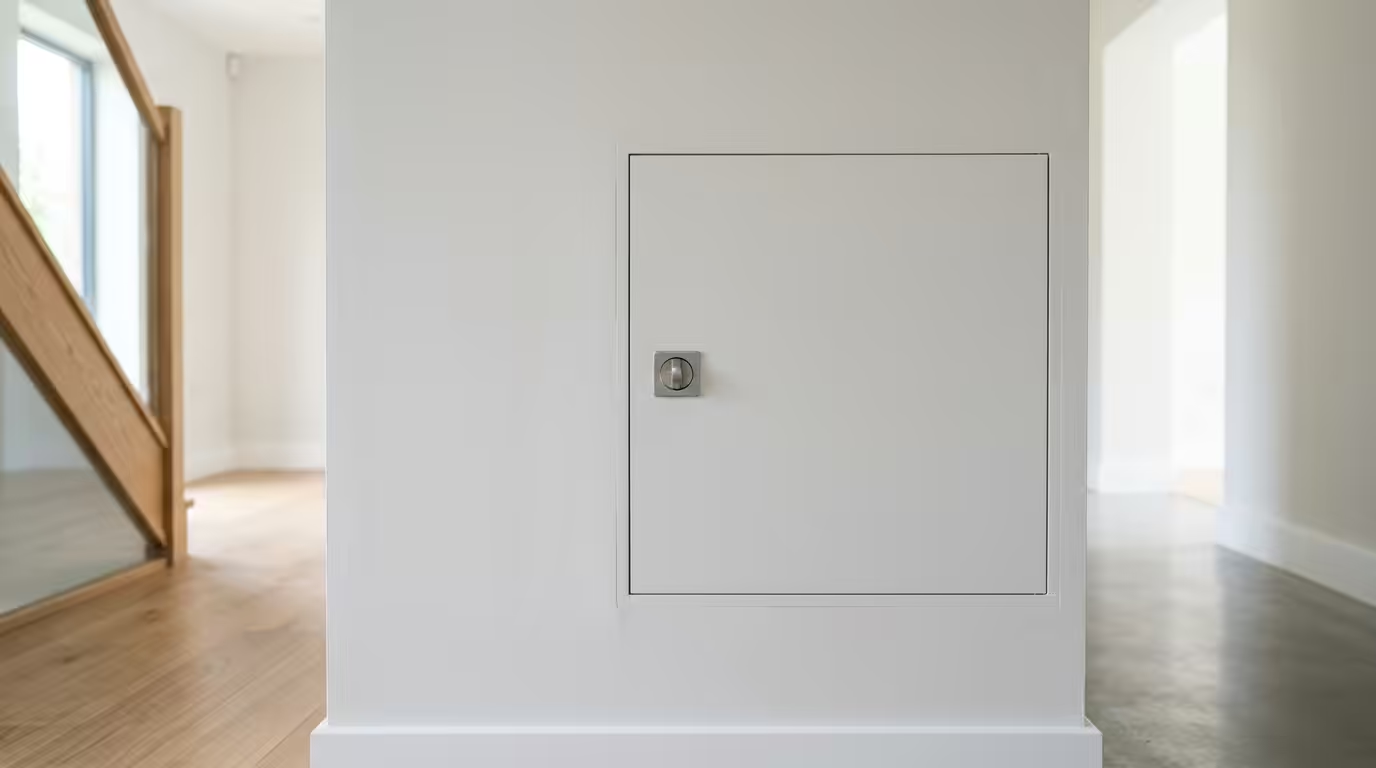
Access Panel Gas Meter Water Meter Electric Cupboard Guide 2026
Access panels for gas meters, water meters, and electric cupboards are essential components that provide secure yet accessible housing for utility infrastructure in residential and commercial buildings. These specialised enclosures must comply with strict British Standards including BS 1710 for gas meter installations and Building Regulations Part P for electrical access. According to Ofgem statistics, over 85% of utility access issues stem from inadequate panel specifications or non-compliant installations. This comprehensive guide covers regulatory requirements, installation procedures, and safety considerations for utility access panels.
Regulatory Requirements for Utility Access Panels
Gas Meter Access Panel Regulations
Gas meter access panels must comply with the Gas Safety (Installation and Use) Regulations 1998 and BS 6891 standards. The Health and Safety Executive mandates that gas meter cupboards maintain minimum ventilation requirements of 2% of floor area at high and low levels. Access panels must provide unrestricted meter reading access while maintaining weatherproof integrity to IP54 rating minimum.
Key regulatory specifications include:
- Minimum 600mm clearance above gas meter
- Permanent ventilation openings totalling 4,500mm²
- Non-combustible materials within 150mm of gas connections
- Emergency isolation valve accessibility within 30 seconds
Water Meter Enclosure Standards
Water meter access panels must conform to Water Supply (Water Quality) Regulations 2016 and Water UK specifications. These installations require frost protection in accordance with BS 6700, with insulation values meeting minimum R-value requirements of 0.6 m²K/W for exposed installations.
Electrical Cupboard Access Requirements
Electric meter cupboards fall under Building Regulations Part P and BS 7671 (18th Edition IET Wiring Regulations). The fire-rated access panels must achieve minimum 30-minute fire resistance rating when installed in escape routes or compartment walls.
Material Selection and Construction Specifications
Approved Materials for Utility Enclosures
Professional utility access panels utilise materials that meet specific performance criteria for durability, safety, and regulatory compliance. Galvanised steel construction provides optimal corrosion resistance while maintaining structural integrity under BS EN 10346 specifications.
| Material Type | Thickness | Corrosion Rating | Fire Rating | Typical Application |
|---|---|---|---|---|
| Galvanised Steel | 1.2mm | C4 (High) | 30-60 minutes | External gas/electric |
| Powder Coated Steel | 1.0mm | C3 (Medium) | 30 minutes | Internal water/electric |
| Stainless Steel 316 | 1.2mm | C5 (Very High) | 60 minutes | Coastal/marine environments |
| Composite GRP | 3.0mm | C5 (Very High) | Class 0 | Chemical/aggressive environments |
Locking Mechanisms and Security Features
Utility access panels require appropriate security measures balancing authorised access with theft prevention. Quarter-turn locks provide emergency services rapid access, while keyed systems offer enhanced security for high-value installations. Triangle key systems comply with utility company requirements for universal access by authorised personnel.
Installation Procedures and Best Practices
Site Preparation and Planning
Professional installation begins with comprehensive site assessment including utility routing verification, structural load calculations, and compliance checking against local authority building control requirements. The installation location must provide adequate working space as specified in BS 8300 accessibility standards.
Critical planning considerations include:
- Minimum 750mm working space in front of electrical panels
- Gas meter positions minimum 1000mm from ignition sources
- Water meter protection from freezing temperatures below -5°C
- Emergency service vehicle access within 45 metres
Structural Integration Methods
Access panel integration requires appropriate fixing methods suited to substrate conditions. Masonry installations utilise chemical anchors achieving minimum 25kN pull-out strength, while timber frame applications require spreader plates distributing loads across structural members.
Weatherproofing and Sealing Specifications
External utility access panels must achieve minimum IP54 ingress protection rating through appropriate sealing systems. Continuous EPDM gasket sealing provides long-term weatherproof performance, while drainage features prevent water accumulation within the enclosure.
Maintenance and Inspection Requirements
Scheduled Maintenance Protocols
Regular maintenance ensures continued compliance with safety regulations and optimal performance. Gas Safety Regulations require annual visual inspections of meter housing integrity, while electrical installations need periodic testing under BS 7671 requirements. Maintenance access panels should be inspected quarterly for mechanism operation and seal integrity.
Common Issues and Remedial Actions
Typical utility access panel problems include hinge wear, lock mechanism failure, and gasket deterioration. Professional remedial work addresses these issues through component replacement using manufacturer-approved spare parts, ensuring continued regulatory compliance and operational reliability.
Summary
- Gas meter access panels must provide 4,500mm² permanent ventilation and comply with Gas Safety Regulations 1998
- Water meter enclosures require frost protection to R-value 0.6 m²K/W and IP54 weatherproofing minimum
- Electrical cupboard access panels need 30-minute fire resistance rating when installed in escape routes
- Professional installation includes structural load assessment and utility company coordination for compliance
- Annual inspection schedules ensure continued safety compliance and operational reliability for all utility access systems
Frequently Asked Questions
What size access panel do I need for a gas meter cupboard?
Gas meter access panels typically require minimum dimensions of 600mm x 400mm to provide adequate meter reading access and maintenance space. The cupboard must maintain 600mm clearance above the meter and comply with ventilation requirements totalling 4,500mm² permanent openings.
Can I install a water meter access panel myself?
Water meter access panel installation requires coordination with your water supplier and may need building control approval. While basic panel mounting is achievable for competent DIY practitioners, professional installation ensures compliance with Water Supply Regulations 2016 and appropriate frost protection measures.
What fire rating do electrical cupboard access panels need?
Electrical cupboard access panels require minimum 30-minute fire resistance rating when installed in escape routes or compartment boundaries. Higher ratings up to 120 minutes may be specified for commercial installations under Building Regulations Part B requirements.
How often should utility access panels be serviced?
Gas meter enclosures require annual visual inspection for structural integrity and ventilation adequacy. Electrical installations need periodic inspection and testing as specified in BS 7671. Water meter housings should be checked quarterly for frost protection and weatherproof seal condition.
What security features are available for utility access panels?
Security options include quarter-turn locks for emergency access, triangle key systems for utility company access, and keyed cylinders for enhanced security. The choice depends on location risk assessment and utility company requirements for authorised access protocols.