
Access Panel IP44 Damp Proof: Bathroom & Wet Room Guide 2026

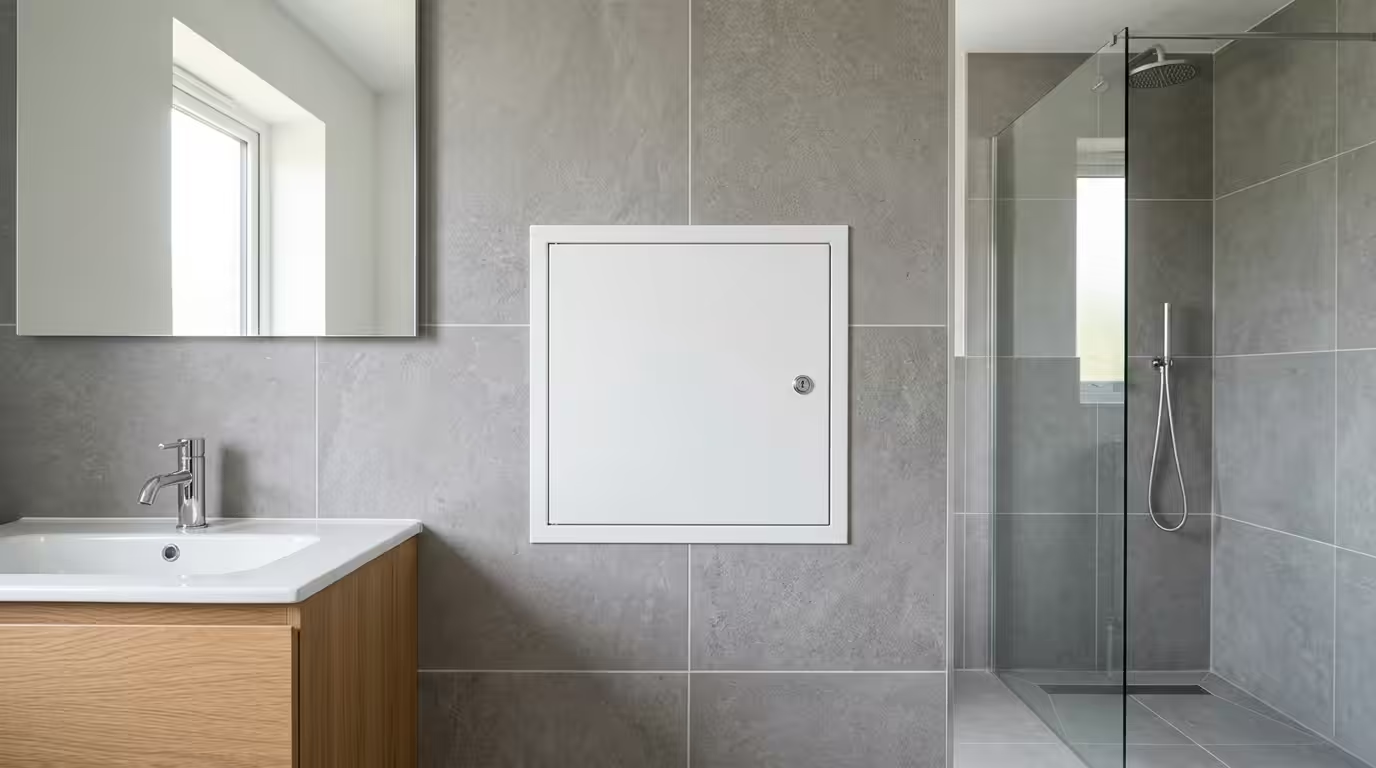
Access Panel IP44 Damp Proof: Complete Guide for Bathrooms and Wet Rooms
An IP44 rated access panel provides essential moisture protection for bathroom and wet room installations, offering resistance against water splashes from any direction. With 85% of bathroom access panel failures attributed to inadequate moisture protection according to NHBC Standards, selecting the correct IP rating is crucial for long-term performance. This comprehensive guide examines IP44 damp proof access panels, covering British Standards compliance, installation requirements, and material specifications to ensure your bathroom access solutions meet Building Regulations Part C (Site preparation and resistance to contaminants and moisture) while maintaining structural integrity in high-humidity environments.
Understanding IP44 Rating Standards for Bathroom Access Panels
The IP44 rating classification provides specific protection levels against solid particles and water ingress, defined under BS EN 60529:1992+A2:2013. The first digit (4) indicates protection against solid objects larger than 1mm, while the second digit (4) ensures protection against water splashes from any direction.
IP Rating Breakdown for Access Panels
IP44 rated access panels must withstand water spray testing at 10 litres per minute for 10 minutes from all angles, with no harmful water ingress permitted. This rating makes them suitable for bathroom zones 2 and 3 according to BS 7671:2018+A2:2022 (IET Wiring Regulations), but additional considerations apply for wet room installations.
Compliance with Building Regulations
Building Regulations Part C requires moisture resistance in areas subject to water vapour and condensation. Access panels in bathrooms must demonstrate:
- Resistance to moisture penetration through sealed joints
- Compatibility with waterproof membrane systems
- Maintenance of structural integrity under humidity fluctuations
- Prevention of interstitial condensation behind the panel
Material Selection and Construction Features
Professional-grade IP44 access panels utilise specific materials and construction methods to achieve moisture resistance while maintaining accessibility and structural performance.
Frame and Door Materials
Aluminium alloy frames with powder-coated finishes provide superior corrosion resistance compared to mild steel alternatives. The powder coating thickness must exceed 60 microns to meet BS EN 12206-1:2004 standards for building hardware. Marine-grade aluminium (5000 series) offers enhanced performance in high-humidity environments, with corrosion resistance tested to BS EN ISO 9227:2017 salt spray standards.
Sealing Systems and Gaskets
EPDM (Ethylene Propylene Diene Monomer) gaskets provide reliable sealing performance across temperature ranges from -40°C to +120°C. The continuous compression seal must maintain contact pressure of 0.1-0.3 N/mm according to BS EN 1279-4:2018 standards. Critical sealing points include:
- Perimeter frame-to-wall interface
- Door-to-frame contact surfaces
- Hinge and latch mechanism penetrations
- Corner joint assemblies
Surface Finishes for Wet Environments
Powder-coated surfaces must achieve minimum adhesion values of 2 MPa when tested to BS EN ISO 4624:2016. Alternative finishes include anodised aluminium (minimum 25 microns thickness) or marine-grade stainless steel (316L grade) for extreme moisture conditions.
Installation Requirements and Best Practices
Correct installation procedures are essential for maintaining IP44 performance throughout the access panel’s service life, particularly in bathroom and wet room applications.
Substrate Preparation
The substrate must provide adequate support and moisture resistance before panel installation. Minimum substrate requirements include:
| Substrate Type | Minimum Thickness | Moisture Content | Flatness Tolerance |
|---|---|---|---|
| Plasterboard | 12.5mm moisture-resistant | Below 1% | ±2mm per metre |
| Cement Board | 10mm minimum | Below 0.5% | ±3mm per metre |
| Masonry | 100mm minimum | Below 5% | ±5mm per metre |
Waterproof Membrane Integration
When installing access panels in tiled wet areas, integration with waterproof membrane systems requires careful detailing. The membrane must be carried up behind the access panel frame and sealed using appropriate tapes or liquid-applied sealants. Popular membrane systems include Schlüter-KERDI, BAL WP1, and Mapei Mapeguard WP.
Mechanical Fixing Requirements
Mechanical fixings must penetrate minimum 25mm into solid substrates or engage fully with hollow wall fixings rated for 25kg minimum load capacity. Fixing centres should not exceed 200mm around the perimeter, with additional fixings at stress concentration points near hinges and latches.
Performance Testing and Quality Assurance
IP44 access panels undergo rigorous testing to verify moisture resistance and mechanical performance under bathroom conditions.
Water Penetration Testing
Testing procedures follow BS EN 60529:1992+A2:2013 methodology, with panels subjected to water spray from oscillating spray nozzles positioned 1.5-2 metres from the test specimen. Test duration extends for 10 minutes minimum, with no water penetration beyond the first barrier permitted.
Cycle Testing for Bathroom Applications
Accelerated aging tests simulate bathroom conditions through repeated humidity cycling between 20-95% relative humidity at temperatures ranging from 5-40°C. Panels must maintain sealing performance for minimum 10,000 cycles, equivalent to approximately 20 years of normal bathroom use.
Latch and Hinge Performance
Hardware components undergo corrosion testing to BS EN ISO 9227:2017 standards, with minimum 240-hour neutral salt spray exposure without functional degradation. Operating force for latches must remain below 25N throughout the test period.
Summary
- IP44 rated access panels provide protection against water splashes from any direction, making them suitable for bathroom zones 2 and 3 under BS 7671:2018+A2:2022 standards
- EPDM gasket sealing systems must maintain 0.1-0.3 N/mm contact pressure with powder-coated aluminium frames exceeding 60 microns thickness for long-term moisture resistance
- Substrate moisture content must remain below 1% for plasterboard and 5% for masonry, with mechanical fixings spaced maximum 200mm centres around the perimeter
- Integration with waterproof membrane systems requires careful detailing, with membranes carried behind the frame and sealed using appropriate tapes or liquid sealants
- Performance testing includes 10-minute water spray tests and 10,000-cycle humidity aging to simulate 20 years of bathroom service conditions
For comprehensive access panel solutions, explore our range of moisture resistant access panels designed specifically for high-humidity environments. Professional installation guidance and Building Regulations compliance support ensure optimal performance in demanding bathroom and wet room applications.
Frequently Asked Questions
What IP rating do I need for bathroom access panels?
IP44 rating provides adequate protection for most bathroom applications, offering resistance to water splashes from any direction. For shower areas and wet rooms with direct water exposure, consider IP65 or higher ratings for enhanced protection.
Can IP44 access panels be tiled over?
Yes, IP44 access panels can accommodate ceramic tiles up to 8mm thickness with appropriate tile trim integration. The total weight including tiles must not exceed the panel’s load rating, typically 25kg for standard residential applications.
How do I maintain IP44 sealing performance over time?
Annual inspection of gasket seals and cleaning with mild detergent maintains sealing performance. Replace EPDM gaskets every 10-15 years or when compression set exceeds 50% to ensure continued IP44 compliance.
Are IP44 access panels suitable for wet room floors?
Standard IP44 access panels are not suitable for floor installations in wet rooms due to potential water pooling. Floor-specific access panels require IPX5 or higher ratings with enhanced drainage capabilities and load-bearing construction.
What’s the difference between IP44 and IP65 access panels for bathrooms?
IP44 panels resist water splashes while IP65 panels provide complete dust protection and resist water jets from any direction. Choose IP65 for shower areas with body jets or steam rooms where water pressure exceeds normal splash conditions.